

Fitness Equipment Names & Usage Instructions
Manufacturer & Supplier: Cangzhou Yunxinda International Trade Co., Ltd.
Professional & Standard English Version for Official Website Update, No Chinese
1. Cardio Fitness Equipment (Usage Guide)
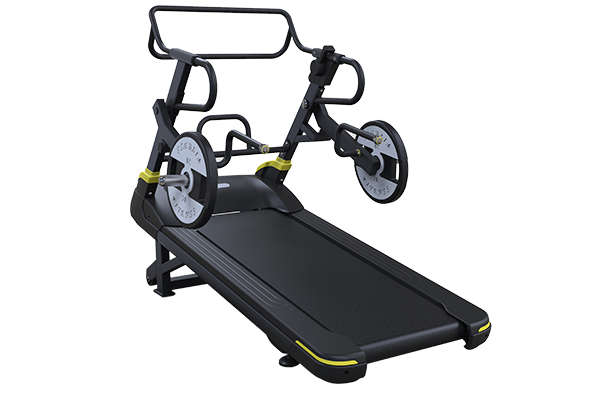
1.1 Treadmill
Usage: Stand steadily on the running belt, hold the handrails gently, start the machine at low speed, adjust speed and incline gradually according to physical condition. Keep upright posture and steady breathing during walking, jogging or running. Stop the machine slowly after finishing exercise.
1.2 Spinning Bike
Usage: Adjust seat and handle height to fit body proportion. Sit on the seat, hold handles firmly, place feet steadily on pedals and fasten foot straps. Adjust resistance knob, perform slow or fast cycling movements to complete aerobic training.
1.3 Elliptical Cross Trainer
Usage: Stand on two foot pedals, grip the movable handles tightly. Push and pull handles with arms and step pedals with legs simultaneously, keep coordinated whole-body movements. Adjust resistance level to control exercise intensity.
1.4 Rowing Machine
Usage: Sit on the sliding seat, fix feet on the footrests and fasten straps. Grip the pull handle tightly, push legs straight first, then pull the handle toward the abdomen, recover slowly in reverse order after reaching the limit position.
1.5 Recumbent Bike
Usage: Adjust the backrest to a comfortable angle, lean back on the backrest and place feet on pedals. Keep upper body relaxed, drive pedals with legs for steady cyclic movement, suitable for low-impact long-time aerobic exercise.
1.6 Stair Climber
Usage: Stand on the climbing pedals, hold safety handrails. Simulate real stair climbing movements, keep body upright, avoid leaning forward or backward. Adjust resistance to change training difficulty.
1.7 Air Bike
Usage: Hold the rotating handles with both hands and step pedals with legs at the same time. The wind resistance increases with movement speed. Perform alternating pushing and pedaling movements for high-intensity interval cardio training.
2. Free Weight Equipment (Usage Guide)
2.1 Hex Dumbbells
Usage: Hold one or two dumbbells with both hands. Complete bicep curls, shoulder presses, chest flyes and lateral raises. Keep stable body posture and uniform movement speed to exercise isolated muscle groups.
2.2 Adjustable Dumbbells
Usage: Adjust the weight gear according to training needs, lock the weight structure firmly. Use the same way as fixed dumbbells for various strength training movements, suitable for multi-level muscle workout.
2.3 Olympic Barbell & Standard Barbell
Usage: Install matching weight plates on both ends of the barbell and fix with buckles. Hold the barbell steadily to complete squats, bench presses, deadlifts and overhead presses for full-body compound strength training.
2.4 EZ Curl Bar
Usage: Grip the curved position of the bar to reduce wrist pressure. Mainly use for bicep curls, tricep extensions and forearm training, ensure balanced force on both arms during movement.
2.5 Kettlebell
Usage: Hold the kettlebell handle with one or two hands. Complete kettlebell swings, goblet squats and high pulls. Keep core tight during movement to exercise hip, leg and core explosive power.
2.6 Medicine Ball & Slam Ball
Usage: Hold the ball with both hands, complete throwing, slamming, twisting and squatting movements. Suitable for core training, physical coordination training and muscle explosive power exercise.
2.7 Training Sandbag
Usage: Hold, carry or lift the sandbag. Complete squatting, lifting and tossing movements. The unstable weight forces deep muscles to participate in force application, improving functional strength.
3. Single-Function Strength Machines (Usage Guide)
3.1 Chest Press Machine
Usage: Sit on the seat, attach back closely to the backrest, place hands on the handles. Push the handles forward steadily until arms are almost straight, then retract slowly to the initial position to exercise chest muscles.
3.2 Pec Fly Machine
Usage: Sit upright, place forearms on the baffle pads. Squeeze both arms inward forcefully to gather chest muscles, hold for 1 second, then return slowly to stretch chest muscles fully.
3.3 Shoulder Press Machine
Usage: Sit steadily, grip the shoulder press handles. Push upward vertically until arms are straight, then lower slowly. Focus on exercising deltoid muscles of the shoulders.
3.4 Lat Pulldown Machine
Usage: Sit on the seat, fix thighs under the baffle, grip the wide bar with both hands. Pull the bar down to the upper chest, then release upward slowly to stretch and contract back muscles.
3.5 Seated Row Machine
Usage: Sit upright, step on the front footrests, grip the pull handles. Pull the handles toward the abdomen with back force, squeeze the back muscles tightly, then recover slowly.
3.6 Back Extension Roman Chair
Usage: Fix thighs on the support pads, keep upper body suspended. Bend forward and then lift upper body upward with waist and back force to exercise lower back erector muscles.
3.7 Leg Press Machine
Usage: Sit on the seat, place feet flat on the pedal plate. Push the pedal upward with leg force until legs are straight, then bend knees slowly to return, mainly training quadriceps and gluteal muscles.
3.8 Leg Curl Machine
Usage: Lie prone or sit on the machine, hook the lower leg on the roller pad. Curl lower legs upward forcefully, squeeze thigh posterior muscles, then release slowly.
3.9 Leg Extension Machine
Usage: Sit upright, place front of lower legs under the baffle. Straighten legs upward forcefully, lift the weight load, then lower slowly to exercise thigh anterior muscles.
3.10 Abdominal Crunch Machine
Usage: Sit on the seat, hold the upper handles, clamp knees on the baffle. Contract abdomen forcefully to complete curling movement, then recover slowly to train abdominal muscles.
4. Training Racks & Benches & Multi Gyms
4.1 Full Power Rack & Half Power Rack
Usage: Adjust the safety bar height according to training range. Complete barbell squats, bench presses, pull-ups and weightlifting training inside the rack. The safety structure effectively prevents sports injuries.
4.2 Smith Machine
Usage: Adjust the barbell height and safety limit. Hold the fixed-track barbell to complete standard squats, bench presses and shoulder presses. The stable track is suitable for beginners and standardized training.
4.3 Adjustable Weight Bench
Usage: Adjust the bench to flat, incline or decline angles. Cooperate with dumbbells or barbells to complete bench press, shoulder press and abdominal training movements.
4.4 Multi-Station Jungle Gym
Usage: This integrated equipment supports multiple training modes including lat pulldown, chest press, leg training and rowing. Switch different stations to complete full-body strength training.
4.5 Cable Cross Functional Trainer
Usage: Adjust the height of cable pulleys on both sides, grip the handles. Complete multi-angle pulling, pushing and crossing movements to train chest, back, arms and core muscles in all directions.
5. Functional Training Equipment
5.1 Pull Up Bar
Usage: Grip the bar with both hands, suspend the body, pull the body upward until the chin exceeds the bar, then lower slowly to exercise upper back and arm muscles.
5.2 Dip Station
Usage: Hold the two parallel bars to support the body, bend elbows to lower the body, then push up to lift the body. Mainly train triceps, chest and shoulder muscles.
5.3 Suspension Training Straps
Usage: Fix the straps on a stable support point, grip the handles or hook feet on the straps. Use body weight as resistance to complete push-ups, planks and leg lifts for core and functional training.
5.4 Resistance Bands
Usage: Fix one end of the band on a fixed point, hold or step on the other end. Complete stretching, pulling and squatting movements for muscle activation, strength training and rehabilitation exercise.
5.5 Speed Jump Rope
Usage: Hold the rope handles, keep body upright, swing the rope with wrist force and jump steadily. Improve cardiopulmonary function, body coordination and lower limb explosive power.
5.6 Foam Roller
Usage: Place the roller under back, legs or waist. Roll slowly back and forth to relax fascia, relieve muscle soreness and improve muscle flexibility after training.
5.7 Ab Roller Wheel
Usage: Kneel on the ground, grip the wheel handles. Push the wheel forward slowly to stretch the body, then retract by abdominal force to strengthen core abdominal muscles.
6. Yoga & Pilates & Fitness Accessories
6.1 Yoga Mat
Usage: Lay flat on the ground, stand, sit or lie on the mat. Complete various yoga stretching and balancing movements to avoid slipping and protect joints.
6.2 Yoga Block & Yoga Strap
Usage: Use blocks to assist stretching and support body balance; use straps to assist limb stretching, help complete difficult yoga poses and correct body posture.
6.3 Pilates Reformer
Usage: Lie or sit on the sliding carriage, hook feet or grip the traction ropes. Cooperate with spring resistance to complete stretching and shaping movements for body posture correction and core training.
6.4 Weight Lifting Belt
Usage: Fasten the belt tightly around the waist before heavy weight training. Support the lumbar spine, stabilize core pressure and prevent waist injury.
6.5 Wrist Wraps & Lifting Straps
Usage: Wrap wrist wraps around wrists to stabilize joints during pushing training; wear lifting straps to wrap weights to improve grip strength and reduce forearm burden during pulling training.
Company Introduction
Cangzhou Yunxinda International Trade Co., Ltd. is a professional manufacturer and exporter of full-series fitness equipment. Our product range covers cardio machines, strength training machines, free weights, functional training gear, yoga pilates equipment and fitness accessories. We provide standardized products, customized OEM/ODM services, exclusive logo printing and personalized size & color customization for global gyms, fitness distributors and individual fitness users. All products comply with international quality and safety standards.