
Pipe flange specifications
Pipe flange specifications define the core parameters for flange design, manufacturing and installation. Correct specification confirmation is critical to match pipeline working conditions, ensure sealing performance and avoid leakage.
Main Specification Items
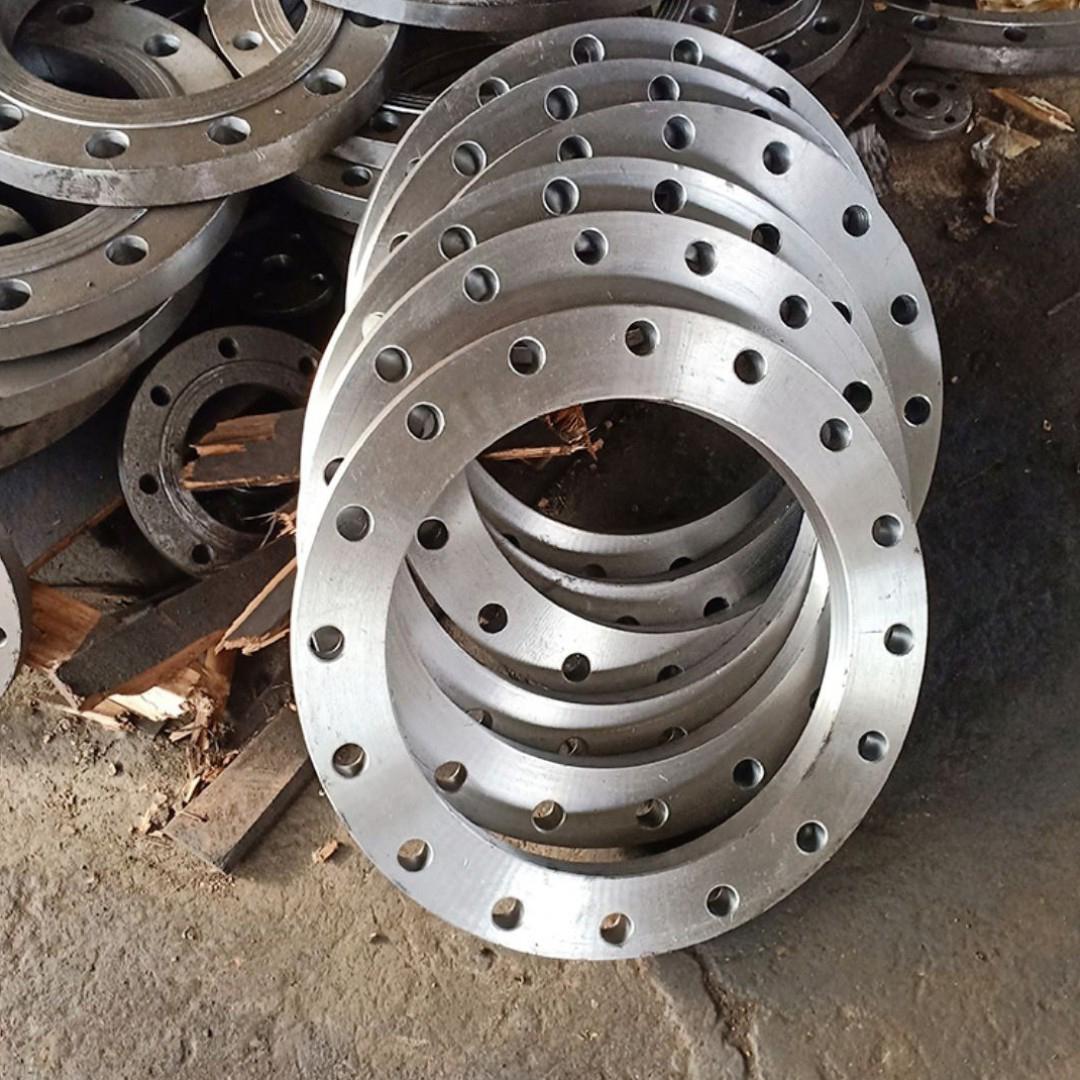
1. Flange Standard
ASME B16.5, EN 1092-1, GB/T 9112~9124, JIS B2220. Different standards cannot be interchanged directly.
2. Nominal Size
ASME: NPS (Nominal Pipe Size, inch), e.g. NPS 2, NPS 6
EN / GB / JIS: DN (Diamètre Nominal), e.g. DN50, DN150
Nominal size matches the connected pipe diameter, not the actual outer diameter of flange.
3. Pressure Class
ASME: Class 150, 300, 600, 900, 1500, 2500
EN & GB: PN6, PN10, PN16, PN25, PN40, PN63, PN100
JIS: 5K, 10K, 16K, 20K, 30K, 40K
It represents the maximum allowable working pressure under specified temperature.
4. Flange Type
Weld Neck Flange (WN)
Slip On Flange (SO)
Plate Flat Flange (PL)
Blind Flange (BL)
Threaded Flange (TH)
Socket Weld Flange (SW)
Lap Joint Flange (LJ)
5. Sealing Face Type
FF: Full Face
RF: Raised Face (most common)
RTJ: Ring Type Joint, for high pressure
MFM: Male and Female Face
TG: Tongue and Groove
6. Material
Carbon steel (A105, Q235), stainless steel (304, 316L), alloy steel (F11, F22). Material selection depends on medium, temperature and corrosion environment.
7. Other Parameters
Flange thickness, bolt circle diameter, bolt hole quantity & size, bolt length, machining requirement, heat treatment, NDT, MTC material test certificate.