
What size basketball hoop is best for outdoor use
No single universal size fits all outdoor yards, driveways, community courts and schools. The ideal outdoor hoop size is determined by your court space, user age groups, playing intensity and budget. The two key measurements you need to focus on are: backboard width and overhang distance.
Official Standard Outdoor Regulation Size (Professional Courts)
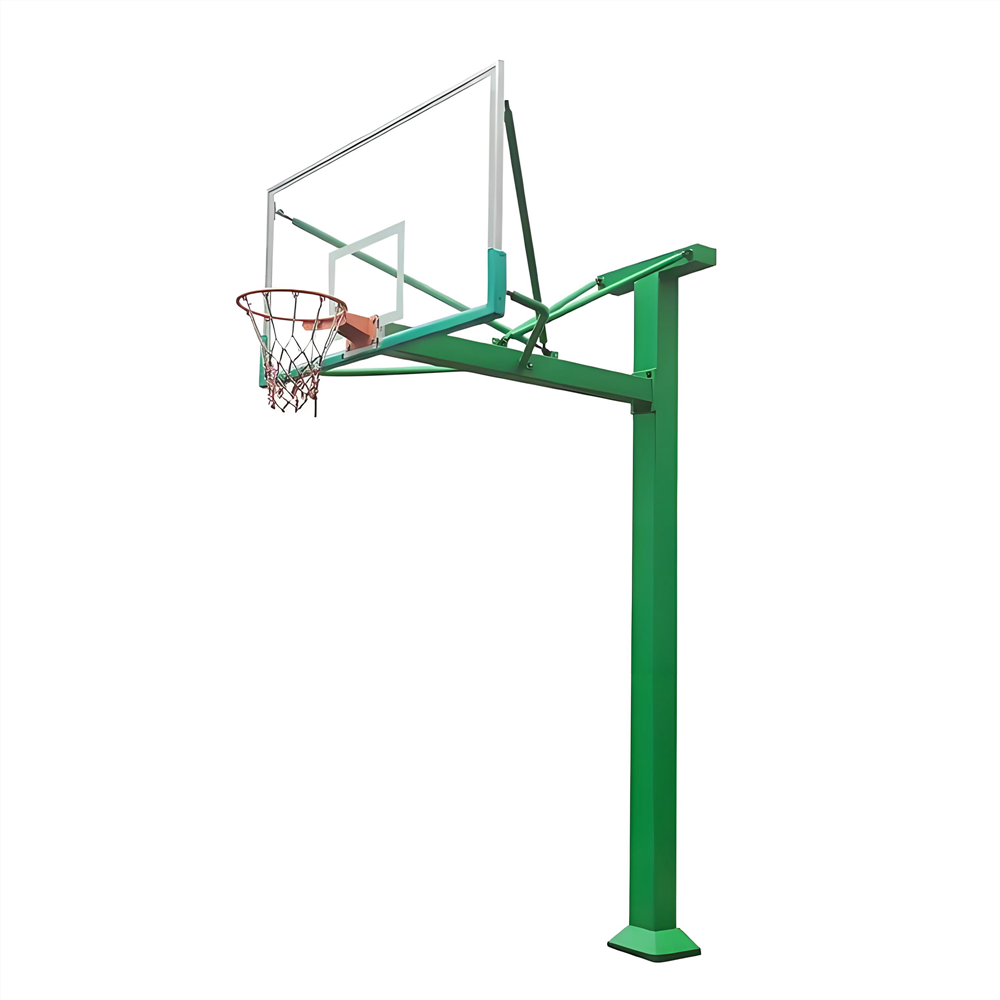
For full competitive play, FIBA and NBA official specifications apply:
Standard backboard: 72 inches (183 cm) wide × 42 inches tall
Rim height: Fixed 10 ft (3.05 m)
Standard overhang: 48 inches (122 cm)
This is the official size for high school, college, professional stadiums and public community outdoor courts. It delivers authentic rebound, proper shooting angles and enough space for layups and drives to the basket.
Best Sizes Broken Down by Outdoor Scenarios
1. 72 Inch Backboard | Top Pick: Dedicated Full-Size Outdoor Courts
Best for: Serious players, teen/ youth training, regular pickup games, schools, public parks, large backyard courts
Pros
Full official competition size, identical bounce and shooting feel as indoor gyms
Ample surface area for bank shots, perfect for honing formal basketball skills
Longer 48-inch overhang keeps players safely away from the support pole during layups and dunks
Cons
Requires large outdoor space; minimum court length needed: 50+ feet
Higher cost, bulkier installation
2. 60 Inch Backboard | Most Popular All-Round Outdoor Size (Best Value for Family Homes)
Our top recommended residential outdoor size
Best for: Average-sized backyards, family mixed-use (adults + teens + older kids), frequent casual play
Pros
Balances professional gameplay and space requirements
Great for jump shots, bank shots and layups without demanding excessive yard room
Stable structure, fits most standard residential driveways and backyard courts
Lower price and easier installation than a 72-inch model
Cons
Slightly smaller rebound area than regulation 72-inch boards for advanced competitive training
3. 54 Inch Backboard | Ideal for Small Yards & Families With Young Children
Best for: Compact driveways, limited outdoor space, households with young kids under 12, occasional recreational shooting
Pros
Compact footprint, works well for narrow yards that cannot accommodate larger boards
Lighter overall structure, excellent for height-adjustable systems to lower the rim for kids
Budget-friendly, stable enough for casual shooting and light play
Cons
Narrow surface limits bank shots; not suitable for intense dunks or competitive games
4. 44–48 Inch Backboard | Entry Level for Toddlers & Beginners
Best for: Small patios, young kids aged 5–10, purely recreational shooting practice
Pros
Ultra-space-saving, low cost, easy installation
Cons
Too small for teen/adult regular basketball use, poor rebound experience
Critical Supporting Size Specs for Outdoor In-Ground Hoops
Besides backboard width, these dimensions heavily impact outdoor usability:
1. Overhang
32–36 in: 54” small backyard hoops
40–48 in: 60” /72” standard outdoor hoops
Longer overhang prevents players from crashing into the pole during layups, greatly improving outdoor safety.
2. Rim Height Range
Adjustable outdoor hoops range from 7.5 ft (2.3 m) up to official 10 ft (3.05 m), perfect for multi-age family use. Public fixed outdoor hoops adopt a permanent 10 ft regulation height.
Material Matching Tips for Outdoor Sizes
72 in / 60 in: Prioritize tempered glass backboard for stable outdoor rebound and weather resistance
54 in and smaller: Acrylic or polycarbonate work well for casual outdoor family use