
How long do in-ground basketball hoops last
The service life of an in-ground basketball hoop varies greatly based on material craftsmanship, anti-rust treatment, climate conditions, usage frequency and daily maintenance. Below is the official lifespan breakdown sorted by grade, plus key influencing factors and maintenance tips for longer service life.
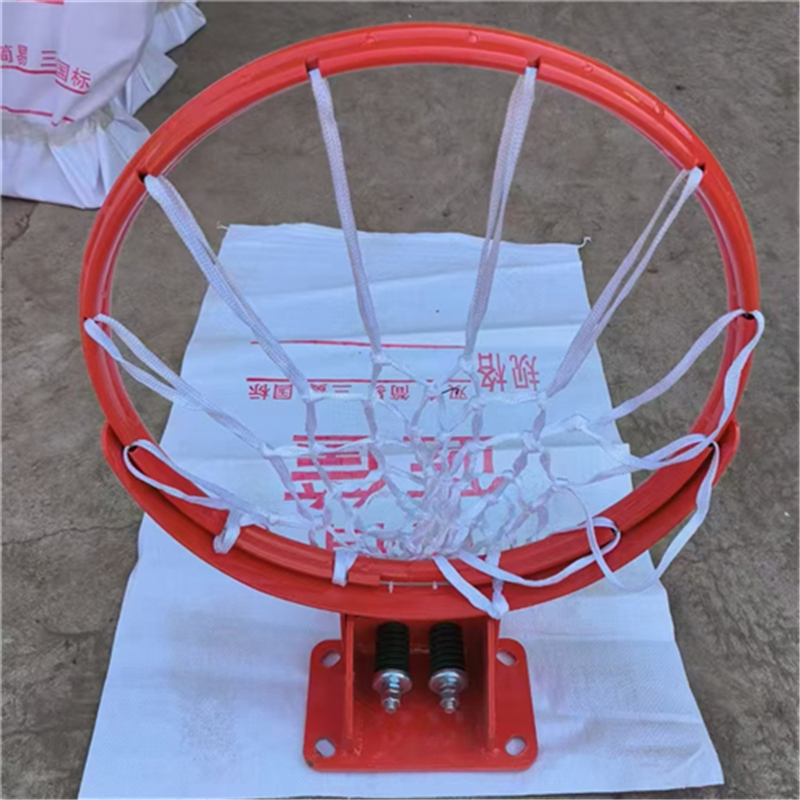
Standard Lifespan Classification
1. Budget Entry-Level In-Ground Hoops (Ordinary painted steel, no hot-dip galvanizing)
Average outdoor lifespan: 7–10 years
Features: Thin Q235 steel pole, single-layer paint only, acrylic or thin polycarbonate backboard
Limitations: Paint peels easily under sun, rain and snow; rust gradually spreads on the pole; bolts corrode quickly; not suitable for coastal humid areas
Fit: Occasional family shooting, low-frequency use only
2. Mid-Range Residential Grade (Most Popular for Home Yards)
Hot-dip galvanized base + electrostatic polyester powder double anti-corrosion coating, thickened Q345 steel pole
Design service life: 12–15 years
Actual service life with routine maintenance: 13–18 years
Advantages: Strong resistance to rain, UV radiation and general humidity; stable structure for regular shooting, layups and moderate dunks; rust develops extremely slowly
Ideal for: Family daily play, teenagers training, inland residential areas
3. Premium Heavy-Duty & Commercial Grade (Schools, Parks, Coastal Areas)
Extra-thick galvanized steel, dual anti-corrosion treatment, stainless steel fasteners, tempered glass backboard, reinforced breakaway rim
Design lifespan: 15–20 years
Well-maintained service life: Up to 20–25 years
Advantages: Resists salt spray, heavy rainfall, strong wind and high-frequency daily use; structural deformation is rare even after years of intensive play; minimal aging
Fit: Primary and secondary schools, community public courts, coastal cities with high humidity and salt content
In-Ground vs Portable Basketball Hoop Lifespan Comparison
| Type | Average Lifespan | Core Reason for Gap |
|---|---|---|
| In-ground (premium galvanized) | 12–20+ years | Fixed concrete foundation, thick anti-rust steel frame, no plastic base aging |
| Portable basketball hoop | 2–5 years | Plastic base cracking, thin steel rusting, overall structural loosening |
5 Key Factors That Decide How Long Your In-Ground Hoop Lasts
1. Anti-Corrosion Treatment (Most Critical Factor)
No galvanizing, just ordinary spray paint: Shortest lifespan, rust occurs within 3–5 years
Hot-dip galvanizing + outdoor powder coating: Gold standard for outdoor use, greatly blocks moisture and oxidation
Coastal areas must adopt double-layer anti-corrosion technology; salt spray speeds up metal corrosion sharply
2. Pole Wall Thickness & Steel Material
Thicker Q345 carbon steel resists impact and deformation far better than thin Q235 steel; deformed poles will accelerate hardware wear and shorten overall life.
3. Usage Frequency & Intensity
Light casual shooting: Lifespan reaches the upper limit of the design standard
Daily dunking, group pickup games, school all-day public use: Wear on rims, brackets and bolts accelerates, lifespan will drop by roughly 20%–30%
4. Concrete Foundation Quality
A standard 80cm×80cm×100cm concrete pit with fully cured concrete ensures permanent stability. Shallow or loose foundation leads to pole tilting, shaking and premature structural damage.
5. Daily Simple Maintenance
Neglected bolts, accumulated dirt and unaddressed tiny rust spots will gradually shorten service life.5 Key Factors That Decide How Long Your In-Ground Hoop Lasts
1. Anti-Corrosion Treatment (Most Critical Factor)
No galvanizing, just ordinary spray paint: Shortest lifespan, rust occurs within 3–5 years
Hot-dip galvanizing + outdoor powder coating: Gold standard for outdoor use, greatly blocks moisture and oxidation
Coastal areas must adopt double-layer anti-corrosion technology; salt spray speeds up metal corrosion sharply
2. Pole Wall Thickness & Steel Material
Thicker Q345 carbon steel resists impact and deformation far better than thin Q235 steel; deformed poles will accelerate hardware wear and shorten overall life.
3. Usage Frequency & Intensity
Light casual shooting: Lifespan reaches the upper limit of the design standard
Daily dunking, group pickup games, school all-day public use: Wear on rims, brackets and bolts accelerates, lifespan will drop by roughly 20%–30%
4. Concrete Foundation Quality
A standard 80cm×80cm×100cm concrete pit with fully cured concrete ensures permanent stability. Shallow or loose foundation leads to pole tilting, shaking and premature structural damage.
5. Daily Simple Maintenance
Neglected bolts, accumulated dirt and unaddressed tiny rust spots will gradually shorten service life.